We kept seeing the same story
Schools were working harder than ever.
Meanwhile—teachers and leaders were exhausted; counselors were overwhelmed; families felt blamed; and students felt misunderstood when described as defiant or disengaged.
The same pattern held true for youth serving organizations.
Developmental challenges were being interpreted, and reinforced, as willful misbehavior. And adults were left with insufficient tools to interpret these growing needs, let alone respond meaningfully.

What if we aren't primarily facing a behavioral crisis, but a developmental design challenge?
Bloom was created to help organizations answer this very question.
Not by replacing curriculum and programming, or by adding another initiative to the plates of busy professionals. Rather, we support learning communities in strengthening the developmental conditions that allow their existing efforts to work more effectively.
How the work blossomed
As different disciplines wrestled with the same challenges from different angles, our interdisciplinary team organized around a common insight:
That insight became Development by Design—a broader framework for understanding how environments shape human development—and Bloom Collective became its applied educational practice.
Development by Design
The broader design framework exploring how environments shape human development across education, behavioral health, organizations, and civic life.
We don't start with behavior. We start with conditions.
What developmental patterns are emerging?
Identifying and documenting subtle behavioral indicators of dysregulation and unmet needs
What are those patterns telling us?
Translating behavior as protective attempts or developmental requests for regulatory and relational care
Which conditions need strengthening?
Developing context-specific relational and cultural adjustments to stabilize learning spaces
How do those conditions become everyday practice?
Coaching faculty and standardizing routines to ensure developmental progress is sustained
We integrate perspectives that schools often encounter separately
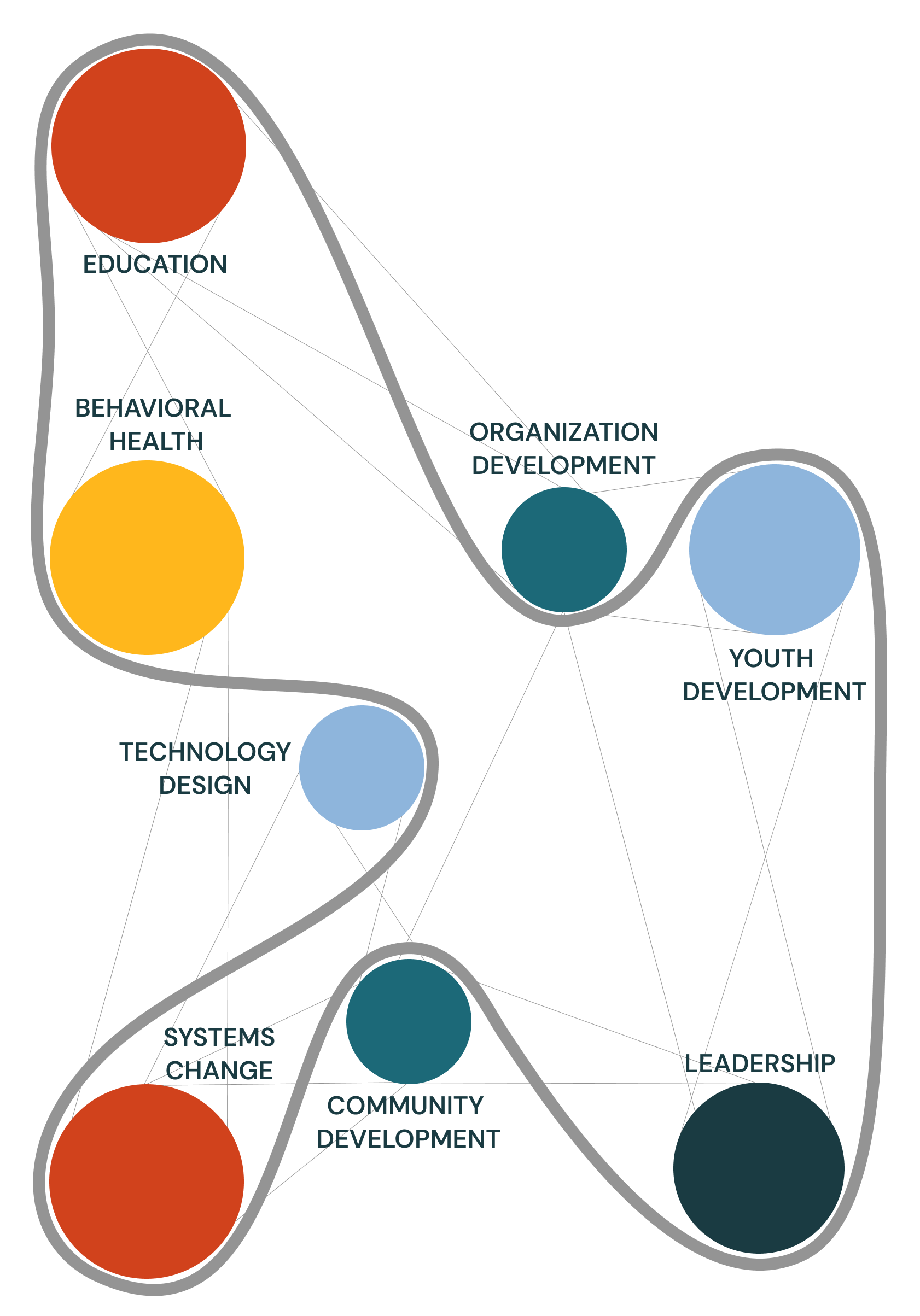
Bloom intentionally brings varying developmental disciplines together to understand the whole child within the whole system.
Different lenses. Shared theory of change. Stronger developmental conditions.

Psychology
+ Systems
Developmental Psychology: Grounding design choices in neuro-education, trauma science, and developmental theory
Design + Systems Thinking: Mapping hidden curriculum and structural leverage points
Education: Creating actionable pedagogical resources tailored to busy educators and youth workers
Family Systems: Understanding the vital bridge between home dynamics and student growth
Leadership: Aligning administrative operations with long-term cultural transformation
The people shaping Bloom

Tricia Douglas
Founder, Development by Design
Transition designer, educator, and organizational strategist reimagining how schools design for intentional human development and collective thriving.

Khalima Bolden-Thompson, PhD
Clinical Psychology Partner
Developmental psychologist specializing in trauma, neuroscience, and family systems. Translating clinical insight into practical pathways for schools and families.
We collaborate with compassionate experts who share our commitment to building a field the centers the protection and strengthening of child and adolescent formation.
TEACHING & LEARNING PARTNERS
BEHAVIORAL HEALTH PARTNERS
RESEARCH AND FUNDING PARTNERS
Developed through a partnership lens the field has not yet seen.
How we sequence the work
Bloom isn't another initiative. It's a different foundation and sequence that helps schools rethink what comes first. Because what schools prioritize shapes everything that follows—we support communities in strengthening the developmental conditions that make every intervention more effective.
Development before instruction
Designing the developmental conditions that allow meaningful teaching and learning to take root
Conditions before programs
Strengthening the environments, relationships, and routines that shape growth, not simply adding new initiatives
Shared understanding before shared action
Building a common developmental language so adults more accurately interpret behavior before responding to it
Regulation before expectation
Recognizing that capacity, not compliance, is the foundation for engagement, learning, and accountability
Capacity before compliance
Cultivating durable human capacities that outlast rules, incentives, and external supervision
Infrastructure before intervention
Designing the physical, relational, and organizational conditions that reduce crises before they emerge